
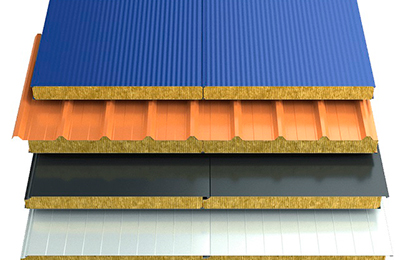
When choosing sandwich panels, the following criteria should be considered:
- Type of Panels : For walls or roofs, depending on the intended use.
- Quality of Materials : Strength, corrosion resistance, and fire resistance.
- Energy Efficiency : Thermal insulation properties.
- Cost : Important for the customer’s budget.
- Warranty : Long-term durability of the panels.
- Panel Thickness : Affects thermal insulation and strength.
- Shell and Core Materials : Metal or polymer shells, polystyrene, mineral wool, etc.
- Fire Resistance : Safe panels are chosen for critical facilities.
- Installation Elements : Ease of installation
- Color Coating : Design selection tailored to a specific project.
Quality Certificates
The quality of sandwich panels is confirmed by the following documents:
- Certificate of Conformity UkrSEPRO.
- Protocols of Thermal and Fire Testing.
- Manufacturer’s Warranty Certificate.
- Environmental Certificates (LEED, BREEAM, FM).
- Protocols for Air and Water Tightness, Durability, and Sound Absorption.
Factors for Choosing Sandwich Panels
- Thermal Conductivity
Materials with a low thermal conductivity coefficient provide effective thermal insulation for buildings. - Cost.
The price of panels depends on the quality of materials, type of core, and coating characteristics. - Manufacturer’s Warranty.
Reliable manufacturers provide a warranty on their products, which is an important criterion for consumers.
Challenges and Prospects of the Sandwich Panel Market.
The Ukrainian market faces several challenges, such as dependence on imported materials and the need for production modernization. However, the implementation of new technologies and the strengthening of local manufacturers contribute to the growth of this segment.
Sandwich panels are a modern construction solution that meet the needs of energy efficiency, durability, and aesthetics. Choosing them is an investment in the future, ensuring strength and environmental responsibility.
How to Choose and What to Pay Attention To?
Sandwich panels are gaining increasing popularity due to their numerous advantages, such as thermal insulation, strength, and ease of installation. But how do you choose high-quality products among the many options available on the market?
In this article, we will explore the key criteria to consider when selecting sandwich panels.
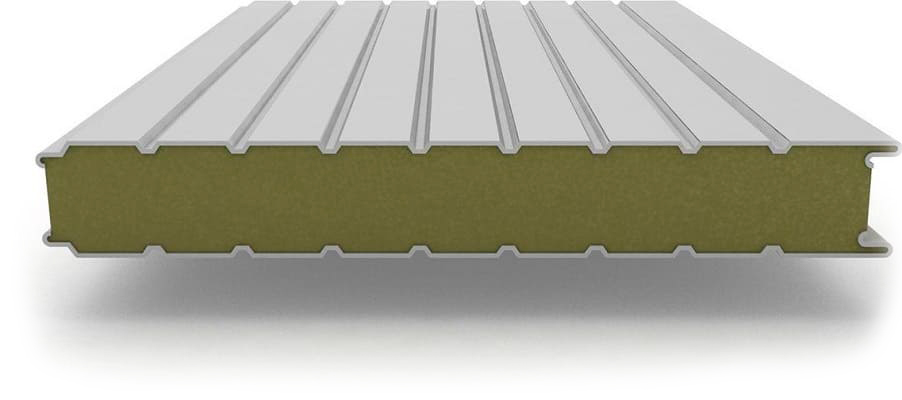
Key Characteristics of Sandwich Panels
- Panel Thickness.
Sandwich panels are available in various thicknesses, ranging from a few millimeters to several centimeters. Thickness affects the thermal insulation properties and structural strength. The greater the thickness, the better the insulation, but it also increases the cost. - Core Material.
The most common core materials include:• Polystyrene – Lightweight and cost-effective but has lower fire resistance.
• Mineral Wool – Offers high fire resistance and thermal insulation but is heavier.
• Polyurethane Foam – Provides the best thermal insulation properties but is a more expensive option. - Shell Material.
The shells of sandwich panels are typically made of metal or polymers. Metal shells with zinc or polymer coatings provide durability and corrosion protection. - Core Material.
The core is usually made of polystyrene, mineral wool, foam, or other materials with high thermal insulation properties. - Fire Resistance.
When choosing sandwich panels, it is important to consider their fire resistance, especially for facilities with higher safety requirements. - Thermal Conductivity.
A low thermal conductivity coefficient ensures high energy efficiency of the building.
What to Consider When Choosing?
- Availability of Quality Certificates.
Check whether the product meets international and national standards. Manufacturers should provide certificates of conformity, test protocols, and warranties. - Manufacturer’s Warranty.
Reliable manufacturers provide a warranty on panels, which can range from 1 to 30 years, depending on the specifications. - Manufacturer’s Reputation.
Check reviews about the manufacturer to avoid purchasing low-quality products. - Aesthetic Characteristics.
Choose panels that match your project design, as color and texture can significantly impact the appearance of the building.
Common Mistakes When Choosing Sandwich Panels
- Compromising on Quality.
Cheaper panels may have lower performance characteristics, leading to issues with thermal insulation and durability. - Ignoring Certifications.
Purchasing products without proper documentation poses a risk to the building’s safety. - Underestimating Installation Characteristics.
Choosing the wrong installation components can complicate the assembly process.
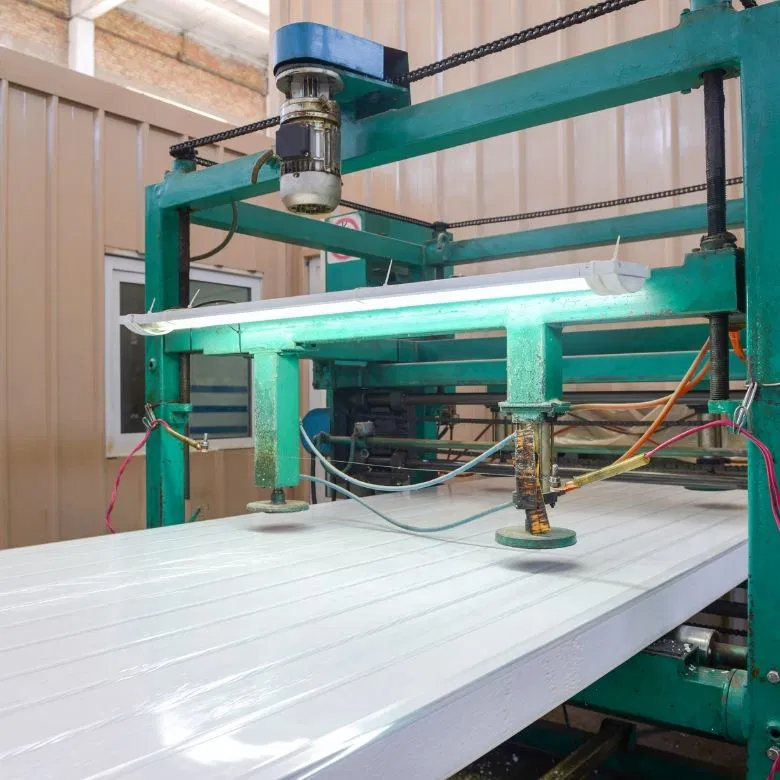
Why Is Quality an Investment?
High-quality sandwich panels ensure durability, energy efficiency, and comfort, making them an ideal choice for modern construction projects. Investing in quality materials reduces future maintenance and repair costs.
Choosing sandwich panels is a crucial step that determines the success of a construction project. Pay attention to key characteristics, certifications, and the manufacturer’s reputation to achieve the best results.
